Dorn Policy Group

A lobbying meeting going over strategy for a client

Owner, HR, CFO, procurement, IT. Small business owners have several roles to carry out.  One that may never be thought of, yet may be one of the most important, is a lobbyist.  Legislators regularly create policies that sometimes make or break small businesses. While it may be assumed that lobbying firms primarily lookout for the best interests of large corporations, that is not necessarily true. There are a large number of boutique lobbyists that lookout for the little guy. There are several reasons why a small business might need to hire a lobbyist, but we have broken it down into three important categories to consider.

They Have Experience in Influencing Legislation

While anybody can gain the attention of lawmakers and government agencies, there is a very slim chance they can actually sway their decision. This is where lobbyists come in. They know how to reach key policymakers and have the knowledge and experience to strategically influence their decision. Small business owners likely lack the right connections or resources to garner enough recognition for their cause. By partnering with a lobbying firm, their voice has a chance of being heard on all levels of government.

They Can Strategically Communicate Your Case

As we mentioned above, lobbying firms have experience in influencing policy decisions. One way they achieve this is by focusing on key communication strategies, such as capturing media attention, utilizing digital platforms, and community outreach. These plans of action are proven to influence policymakers and public opinion if successfully implemented. By partnering with a lobbying group, small business owners will have a team of experts whose communication skills will push their message further than simply doing it alone. 

They Get Results Faster Than DIY Lobbying

Through their knowledge and communication skills, lobbying firms have the ability to get results faster than a business owner would by working alone. This is especially true if the owner is dealing with a time-sensitive issue. While there is never a guarantee they will get the desired results, it is a safe bet they are more likely to reach legislation much more efficiently than the average small business owner. 

Dorn Policy Group Welcomes Small Business Partnerships

As one of Arizona’s top lobbying firms, we are dedicated to helping businesses large and small. We have more than 60 years of combined experience and know the best strategies to ensure your voice is heard on the issues that matter to you. If you’re a small business owner in need of assistance do not hesitate to contact us today!

Statue holding a balancing weight to signify law and order lobbying lawyer

While lobbyists and lawyers both practice law, there are quite a few key differences when it comes to comparing them. Being able to spot these differences can help you determine which route is best for you. After all, you want to be able to hire someone on your behalf to get the job done.

Additionally, both sets of groups have their own laws to uphold, and knowing these can also save you from legal and ethical problems. So, what are the main differences between lobbyists and lawyers? What are their duties and responsibilities? How can they benefit from each other?

What Is A Lobbyist?

In order to understand what the difference is between lobbyists and lawyers, first need to specify what each profession is and what they do. As explained in our previous blog post, lobbying refers to the act of influencing key policymakers at the local, state, and federal levels. They do so by taking a stance on issues that best align with their client’s goals and interests and persuading elected officials to vote in line with those stated goals. 

Lobbyists tend to specialize in certain areas and can be hired by individuals, corporations, small businesses, and firms. They can also work alone or for a lobbying firm. Furthermore, lobbyists have to register with the State and disclose their clients each quarter. 

What Is A Lawyer?

On the other hand, a lawyer is someone who advises and represents clients in legal matters. These clients can be individuals, corporations, or small businesses. A lawyer’s main focus is to protect the rights of their clients and uphold the law to the best of their capabilities. Lawyers can also specialize in certain subjects and focus their work on those areas only.

In simple terms, a lawyer is someone who upholds the law and also protects their client’s rights. A lobbyist is someone who tries to persuade key decision-makers in favor of their client’s best interests.

Can Lobbyists and Lawyers Benefit from Each Other?

Lawyers can benefit from lobbyists in the fact that they can change the law. While lobbyists cannot do this alone, their relationships allow them access to key policymakers in their effort to change certain aspects of the law. By doing so a lawyer’s job can become easier in their pursuit of upholding the law while keeping their client’s best interests in mind and protecting their rights.

Dorn Policy Group Will Advocate For You

As a leading professional lobbying and public affairs firm in Arizona, Dorn Policy Group will provide you with policy advice to meet your goals and keep your interests top of mind. Working with all levels of government, our principal staff has nearly 60 years of combined experience. We will advocate on your behalf to the people that matter. Contact us today and learn how Dorn Policy Group can help you.

Tom Dorn and lobbyist team in discussion

Hiring a government relations firm is a great first step in making sure your voice is heard when it comes to public policy issues that might affect your business. These firms represent a variety of interests that can range from big corporations to small businesses, educational organizations to non-profits, and individuals. Through education and advocacy, they will stop policies that might not be in your best interest. 

Since most people do not have the time or resources to maneuver through the complex world of politics, these firms are capable of doing the heavy lifting. But what should you look for before making the critical step of hiring a government relations firm? Here are some of the qualities and services you should look for in your search.


Qualities

Experience

It goes without saying, but you should ensure that the government relations firm has plenty of experience under their belt. Having a staff with tenure and relationships with former public officials is always a good way to tell you are in the company of people who have been there before and know how to get desirable results for you.


Bipartisanship 

Being able to work from both sides of the aisle is crucial in the world of politics. By being flexible and willing to work with everyone, you can establish and build relationships in an environment where things can change very quickly.

Background in Various Industries

Apart from having experience working with policy, you will want a firm that has an understanding of a variety of industries. By having a background in several issue areas, especially your industry, you can be confident over the policy being advocated for on your behalf. 


Services

Lobbying, Policy & Advocacy

You want a government relations firm with a track record of effectively influencing public policy decisions. They should have comprehensive and creative approaches to solving problems that might be of concern to your business or organization. 

Government Relations

Building relationships and connections are an essential part of the public policy process. By having a firm with strong ties and friendships with elected officials in all levels of government, you can rest assured knowing your concerns will be heard by the people that matter. 


Dorn Policy Group Will Advocate For You

As one of the leading professional lobbying and public affairs firms in Arizona, Dorn Policy Group will provide you with strategic counsel to meet your goals. We work in all levels of government including Federal, State, County, Municipal, District, and Tribal governments. With a principal staff that has nearly 60 years of combined experience working with government and political consulting, we will advocate on your behalf to the people that matter. Contact us today to learn how Dorn Policy Group can help your organization or business.

Outside of a capital building with large white columns lobbying

Lobbying is the process of trying to influence key policymakers. Lobbyists will attempt to educate public officials to take a stand that best aligns with the interest of who they are representing. While it is true that big corporations spend billions of dollars on lobbying, any kind of business, large or small, can hire and benefit from a lobbyists’ extensive knowledge in a variety of subject areas. 

Anyone from big corporations to individuals and non-profits to unions can utilize lobbying services. More and more groups are hiring lobbyists to represent them and have their voices be heard. But one question remains, is lobbying good or bad for democracy? Here are a couple of reasons why lobbying is an essential part of a working government and democracy.

Lobbying Is Protected Under The First Amendment

While there is no place in the Constitution that specifically states or mentions the word “lobbying,” it is protected under the 1st Amendment, stating that “Congress shall make no law abridging the freedom to petition the government for a redress of grievances.” This means that the people have the right to petition the government and have their voices heard on topics that affect them.

Lobbying Gives A Voice To The Unrepresented

Most people do not have the time, resources, or skills to present themselves in front of policymakers and advocate for their interests. Lobbyists give people the opportunity to be represented in front of these public officials and get a seat at the discussion table. Lobbyists give these individuals, companies, non-profits, and worker unions a voice. Providing them with a chance to give their input, and raise their concerns regarding policies that affect them.

Lobbyist Provide Educational Insights

With over 10,000 bills presented to Congress, it is hard to imagine that policymakers are experts in every subject. Since lobbyists often specialize in specific subject areas, they can represent and articulate the interests of their clients as experts in the matter. Therefore, lobbyists can also educate and bring to light issues that public officials might be unfamiliar with, providing benefits to both parties.

Let Dorn Policy Group Advocate For You

Lobbying encourages people to participate in government and voice their concerns. With nearly 60 years of combined government experience, Dorn Policy Group can advocate on your behalf at the Federal, State, County, Municipal, District, and Tribal levels. Contact us to learn more about how to become a partner with Dorn Policy Group.

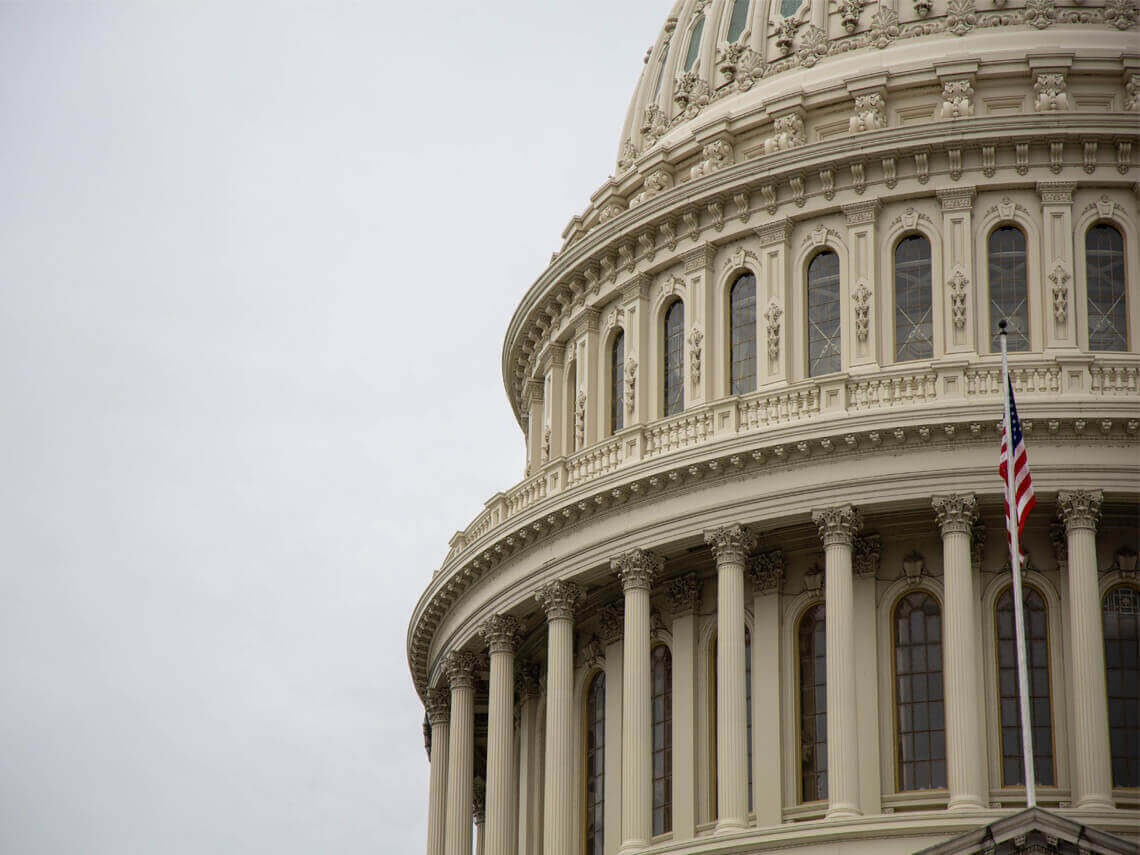
The dome of a capital building in front of a gray sky lobbyists

In 2019, the total amount of spending reached $3.47 billion, the most it’s been in almost a decade. Congressional changes continue to create opportunities for lobbying firms to use their political influence as a way to convince legislators to make decisions that benefit communities, businesses, and nonprofits. While some people may feel lobbyists are a legal form of bribery, this is simply not true and is an integral part of the political process.

What is Lobbying?

Lobbyists are a group of advocates that work with a variety of organizations and individuals to influence political decisions. This support leads to new proposals, adding amendments to existing laws, and introducing new issues to legislators. It’s important to note that it is prohibited for a lobbyist to pay a politician to secure their vote in specific matters. 

Why Do We Have Lobbyists?

As we’ve mentioned, businesses spend a large amount of money to gain access and influence policymakers. It allows them to voice their concerns and have a seat at the table when deciding on policies that could impact an organization. While many people think these interest groups only lookout for big corporations, this is not always the case.

Labor unions are a very common group that enlists the help of lobbying groups. There are cases where lobbying firms have advocated for unions to provide better safety protections and benefits for employees. They also provide a voice for small businesses and communities to have a fighting chance for and against bills that can impact them.

The government has the power to help individuals and businesses, but they also have the power to hinder it. It is the lobbyist’s job to protect the interests of their client to ensure they continue to grow and be successful. Lobbying is fundamental in today’s political landscape.

Dorn Policy Group: Arizona’s Premier Lobbyist Firm

For 20 years, Dorn Policy Group has advocated on behalf of a variety of clients in different industries. We’ve partnered with organizations relating to aerospace and education to Native American relations. Contact us today to learn how our lobbying firm will benefit you.

A classroom full of students and a teacher school funding

If there is one thing people can agree on, it is that kids need the proper resources for their education. One way districts achieve this is through school funding. According to Bruce D. Baker, a professor of education at Rutgers University in New Jersey, students benefit from ample funding. School administrators and teaching staff also benefit from the funding. With proper funding, staff can be paid a more desirable salary, enticing more people to join the education workforce. 

By enlisting the help of an experienced advocacy group, professionals in the education industry can get the policy results they desire. At Dorn Policy Group, we have partnered with a wide range of industry leaders for over 20 years. Through strategic planning and strong political relationships, we have helped schools influence policies in their favor.

How School Funding Benefits The Students

According to Gov. Andrew Cuomo (D-N.Y), it is not always about the money, but it is always about how it is spent – and the results. However, studies show when schools have more money, they can provide students with the resources they need for a better education. Unfortunately, schools in poorer areas often fall behind due to disproportionate funding. When studying how proper funding could help students from poor families, Kirabo Jackson and Claudia Persico from the National Bureau of Economic Research, found that with a 10% increase in funding, there was also an increase in students’ earnings as adults. 

There are two rules of thought in how schools use their funding. One, schools must meet the state-regulated minimum standardized test scores. The other, individuals believe investing in the equity of education builds stronger education institutions. While the end goal of both is to better support student education, it has created a call to action for both interested parties. 

How School Funding Benefits Teachers and Curriculum

With more money going to schools, the greater they can increase staff wages. Studies have shown that there is a correlation between increased teacher wages and student achievement. This is presumably due to the fact it will increase the school’s ability to hire and retain capable teachers. 

In addition, greater funding provides school districts with the capital needed to update their curriculum and resources, such as computers, textbooks, supplies, and before/after school programming. These resources are fundamental for educators to further student education.

Secure Your School Funding With Dorn Policy Group

For 20 years, Dorn Policy Group has been one of Arizona’s leading advocacy groups in government affairs. As a results-driven firm, we work with every client to ensure their voice is heard by the policymakers who matter most. Contact us today to learn how we can help you reach your goals.

A group of lobbyists discussing their strategy in a large conference room

A career in lobbying can be very rewarding as lobbyists are individuals who aim to influence political decisions. Lobbyists advocate at the local, state, and federal government for issues that align with the interests of a company, organization, or individual. Having exceptional verbal and written communication skills are a must. While the path to becoming a lobbyist can vary from person to person, there are some actions that can help accelerate the process and help you be successful in your lobbying career.

Lobbyists can give a voice to businesses and individuals by making their opinions and concerns heard by key policymakers. Lobbying for specific issues does not guarantee a favorable outcome, but it does get you a seat at the table. This is important when it comes to policies and decisions that might affect you or your business.

What Is Lobbying

Plain and simple, lobbying refers to the act of influencing and persuading local, state, or federal policymakers. Whether it is in support or opposition of a certain issue, a lobbyist’s job is to advocate for the stance that will best align with the interest of the company, organization, or individual the lobbyist is representing. Having a passion and deep understanding of a specific policy area will go a long way when trying to break into the field and proving your worth to lobbying firms or elected officials. 

General Requirements

Although you can become a lobbyist in several different ways, these recommendations will help you on your journey to entering the lobbying field.

  • Bachelor’s degree – A degree in public relations, journalism, communications, political science, law, or economics are all good degrees to get started in. You can also get a degree in a field you’re passionate about and minor with a political science or law degree to get familiar with policies.
  • Internships – Internships are a great way to earn real-world experience and learn more about the legislative process. Students can work in political campaigns as a congressional aide or for any agency or group requiring legislative representation. They can also help you earn credit towards your degree. Even with all of this, internships offer you a chance to start to build your professional network.
  • Networking – One of the most important aspects of becoming a lobbyist is networking, as relationships with other lobbyists and policymakers will take you far in the field. Internships will give you exposure to this by providing you with a network of politicians, policymakers, and legislators that can lead to job opportunities once you begin your professional career. Creating and building relationships in your network will allow you to influence and persuade others during your career.

Register

Once you begin your career in lobbying you will need to complete a registration form. In this form, you will include contact details, what client you are representing, the issues you are lobbying for, and the stance. Additionally, every quarter you will fill out a report with your current contacts and lobbying activities. After you have registered, it is up to you to work independently or for a lobbying firm.

Lobbyist Certification 

Another way to quickly get into the field of lobbying is by enrolling in the lobbying certification program offered by the American League of Lobbyist, based in Washington D.C. While this certification is not required, it does give a quick overview of what the lobbying industry looks like.

Dorn Policy Group Will Advocate For You

As a leading Arizona-based lobbying and public affairs firm, we provide our clients with strategic counsel to advance our client’s ultimate goals. Dorn Policy Group works with all levels of government including federal, state, county, municipal, district, and tribal government entities. Contact us today to learn more about how Dorn Policy Group can help you achieve your goals.

A red and white checkered water tower containing water resources for native american tribes

Everyone deserves clean, potable water, and unfortunately many Native American tribes lack water that meets the Safe Drinking Water Act. In April 2020, the Bureau of Reclamation announced that six tribes will share $1.1 million through the Native American Affairs Technical Assistance to Tribes Program to develop and manage water resources for six tribes. 

Dorn Policy Group partners with several industry leaders and municipalities to advocate for/against policies that impact their businesses and communities.  We’ve successfully represented tribal nations on several issues that have led to improved state-tribal relations. Visit our website to learn more about our services and expertise.

Water Resources as Required by the Safe Drinking Water Act

The Safe Drinking Act authorizes the EPA to establish minimum standards that are designed to ensure safe tap water for public use. Under this Act, it also establishes standards for state programs to protect underground sources of drinking water from contaminates. In the case of Native American tribes, it is their responsibility to enforce drinking water regulations. But according to Close the Gap, at least 2 million people still don’t have access to clean drinking water or a working toilet. This is a major concern for native tribes and one that public policy can address through supportive bills.  

What the Native American Affairs Program will do for Tribals Nations

According to the Commissioner of the Bureau of Reclamation, Brenda Burman, the $1.1 million in funds will “establish cooperative working relationships with Indian tribes and tribal organizations and ensure they can fully participate with Reclamation as they develop, manage, and protect their water resources.”

Each tribe will receive a specific amount that will go towards their water initiatives. For example, the Navajo Nation will receive $142,964 for the final design of a new water supply that will serve the community of Bodaway Gap, Arizona. But according to the Indian Health Service, it is estimated that it would cost $200 million to efficiently provide basic water and sanitation access across the Navajo Nation.

Let Dorn Policy Group Advocate on Your Behalf

Being heard by key policymakers is a daunting task for many individuals and organizations. For Native American tribes, it can be the difference between getting a fair amount of resources or being left out of state discussions. That is why it’s important to enlist the expertise of a lobbying firm. Dorn Policy Group has been doing this for 20 years, and we continue to meet and exceed our client’s expectations. Contact us today to learn how we can assist you in your goals.

Boutique Lobbyists are sitting around a computer discussing a political strategy

According to the United States Small Business Administration, there are approximately 28 million small businesses, which account for 54% of sales across a diverse range of industries.  While it is assumed lobbyists are only looking out for conglomerates, there are many lobbying firms that act on behalf of smaller businesses.  By employing boutique lobbyists to support their business, small business owners are able to voice their concerns with policymakers who matter.

What Are Boutique Lobbyists

Boutique lobbyists are individuals who work for smaller companies. They serve their small business clients by incorporating strategies into their advocacy approach to reach targeted decision-makers. Similar to large corporations, boutique lobbyists focus their efforts on serving businesses based on their political needs. However, the biggest difference between small business lobbyists and those who handle large companies’ political affairs is the client’s ability to spend. Smaller lobbying agencies will understand this and will often take a more frugal approach in their strategy in order to obtain the desired results. 

What to Expect From Boutique Lobbyists

Due to having a lower budget to accommodate smaller businesses, lobbyists will incorporate cost-efficient strategies into their campaign.  They will put their focus into smaller initiatives such as communication strategies, building strong relationships, and networking with the right people.  Another way boutique lobbyists work with small businesses is by including them in all aspects of the advocacy process.  Most of these businesses are working with lobbyists for the first time, so any good agency will take the time to explain their process and update them on their efforts.

Let Dorn Policy Group Work For You

If you are having trouble getting your voice heard by key policymakers let us be your microphone. As one of Arizona’s top-level lobbying firms, Dorn Policy Group is committed to each of our clients!  Contact us today to learn how Dorn Policy Group can help you!

Scroll to Top